- Mon - Sat: 09:00 - 05:00

Type your paragraph here
Rahat Saleem provides legal guidance and representation in matters concerning recovery of dowry articles, bridal gifts and personal belongings, including review of available records and supporting evidence.
Disputes may arise where articles given at or around the time of marriage remain with another party, where ownership is disputed, or where the parties disagree about what items were given, retained or returned.
Clients from Islamabad may arrange a consultation in Rawalpindi, while online document review is available for overseas Pakistanis dealing with dowry or bridal-gift recovery matters in Pakistan.
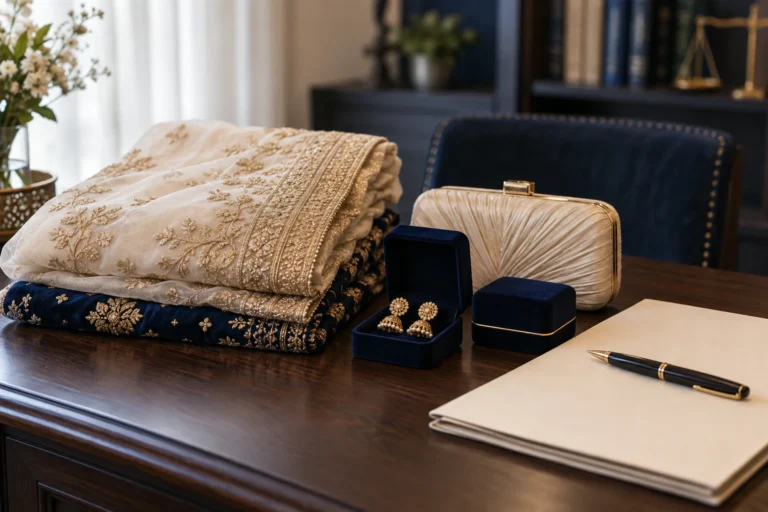
Dowry and bridal gift recovery matters concern claims relating to articles, gifts or personal belongings connected with the marriage.
The strength of a claim depends on the available evidence showing what items existed, who they belonged to and whether they were retained, returned or otherwise dealt with.
Any list of dowry articles or personal belongings is reviewed together with the circumstances in which the items were given.
Receipts, photographs, videos, messages or other records may be examined to support the claimed ownership and existence of the articles.
The available information is reviewed to distinguish the items claimed by the wife from other property or gifts that may be disputed.
Where recovery cannot be resolved otherwise, appropriate Family Court proceedings may be considered.
Every recovery matter depends on the particular articles claimed and the evidence available to establish ownership and possession.
Rahat Saleem reviews the available records before explaining the legal options relevant to the claim.
The claimed items are identified and compared with any available list, receipts or other supporting records.
Gifts or personal items claimed to belong to the wife are considered separately according to the available evidence.
Photographs, receipts, videos, messages and other records may help establish the existence and ownership of particular items.
Where legal proceedings are appropriate, the claimed articles and supporting documents are organised for presentation before the competent court.
Although these items may arise from the same marriage, they should be identified carefully.
These may include household goods, furniture, clothing, jewellery or other items provided in connection with the marriage.
These may include jewellery, clothing or other gifts given specifically to the bride.
Personal clothing, documents, jewellery or other possessions may also form part of a recovery dispute.
The legal position depends on ownership, evidence and the circumstances in which the items were given or retained.
The process depends on what items are claimed and what evidence is available.
Discuss the marriage, items being claimed and whether any articles have already been returned.
Review any written list or inventory of dowry, gifts and personal belongings.
Examine receipts, photographs, videos, messages or other documents relevant to the items.
Separate the items that remain disputed from those already returned or otherwise resolved.
Organise the relevant facts, article list and supporting documents.
Where appropriate, the matter may proceed before the competent Family Court according to the applicable family-law procedure.
The Family Courts Act, 1964 provides the framework for Family Courts dealing with marriage and family disputes, while Pakistan also has specific legislation addressing dowry and bridal gifts.
The exact documents depend on the articles claimed and evidence available.
Not every matter requires every document. The available records should be reviewed according to the particular claim.
Overseas Pakistanis may also need assistance with recovery of dowry articles, bridal gifts or personal belongings connected with a family matter in Pakistan.
Rahat Saleem provides online consultation and document review for overseas clients.
Whether representation through an authorised person is appropriate depends on the requirements of the particular matter.
Dower and dowry should not be treated as the same thing.
This is why Recovery of Dower and Dowry & Bridal Gift Recovery are kept as separate services on this website.
A written list can be useful, but other supporting evidence may also be relevant.
Depending on the circumstances, evidence may include:
Receipts
Photographs
Videos
Purchase records
Bank transactions
Messages acknowledging possession
Wedding-related records
Witness information
Previous correspondence requesting return of the articles
The relevance and weight of each item depend on the circumstances of the case.
A recovery claim is not necessarily limited to situations where a perfect written inventory exists.
Where the original list is incomplete or unavailable, other records may still be relevant, such as:
Purchase receipts
Wedding photographs
Video recordings
Messages between the parties
Bank records
Witness information
Records showing possession of particular items
The available evidence should be reviewed before determining how the claim may be presented.
Where jewellery or other valuable items are claimed, the available evidence should be reviewed carefully.
Relevant records may include:
Purchase receipts
Jewellery invoices
Photographs from the wedding
Video recordings
Written gift records
Messages referring to the items
Witness information
The mere description of an item is not always enough; the available evidence should be considered together.
Where some dowry articles or personal belongings have already been returned, the remaining disputed items should be identified clearly.
It may be useful to maintain a record showing:
Items originally claimed
Items returned
Date of return
Condition of returned items
Articles still outstandingAny written acknowledgement of return
This can help narrow the dispute to the items that remain unresolved.
Dowry or bridal-gift recovery may arise alongside divorce, Khula or other matrimonial proceedings.
Related issues may include:
Dower or Haq Mehr
Maintenance
Child custody
Child maintenance
Recovery of personal belongings
Other family-law claims
Each claim should be assessed separately according to its own evidence, even where several claims are being handled within related Family Court proceedings.
Before taking further legal steps, it is useful to identify:
What articles are being claimed?
Who purchased or provided them?
Is there a written list?
Are receipts available?
Are there wedding photographs or videos?
Which items are currently disputed?
Have any articles already been returned?
Are there messages or acknowledgements regarding the items?
Is a divorce or Khula matter already pending?
These details help determine what evidence is available to support the claim.
Legal guidance concerning unpaid Haq Mehr recorded in the Nikah Nama.
Legal advice and representation concerning maintenance claims.
Contact Rahat Saleem, Advocate High Court, for legal guidance and representation concerning recovery of dowry articles, bridal gifts and personal belongings in Rawalpindi.
Clients from Islamabad may arrange a consultation at District Bar Rawalpindi. Online consultations are also available for overseas Pakistanis who need their article lists and supporting evidence reviewed before taking further legal steps in Pakistan.
Legally reviewed by Rahat Saleem, Advocate High Court
Advocate High Court | District Bar Rawalpindi
Family Law Services – Rawalpindi
This page provides general information concerning recovery of dowry articles, bridal gifts and personal belongings in Pakistan. It does not constitute legal advice for any particular claim. Ownership, recoverability, evidence requirements and available remedies depend on the items claimed, supporting records, facts and applicable family law.